


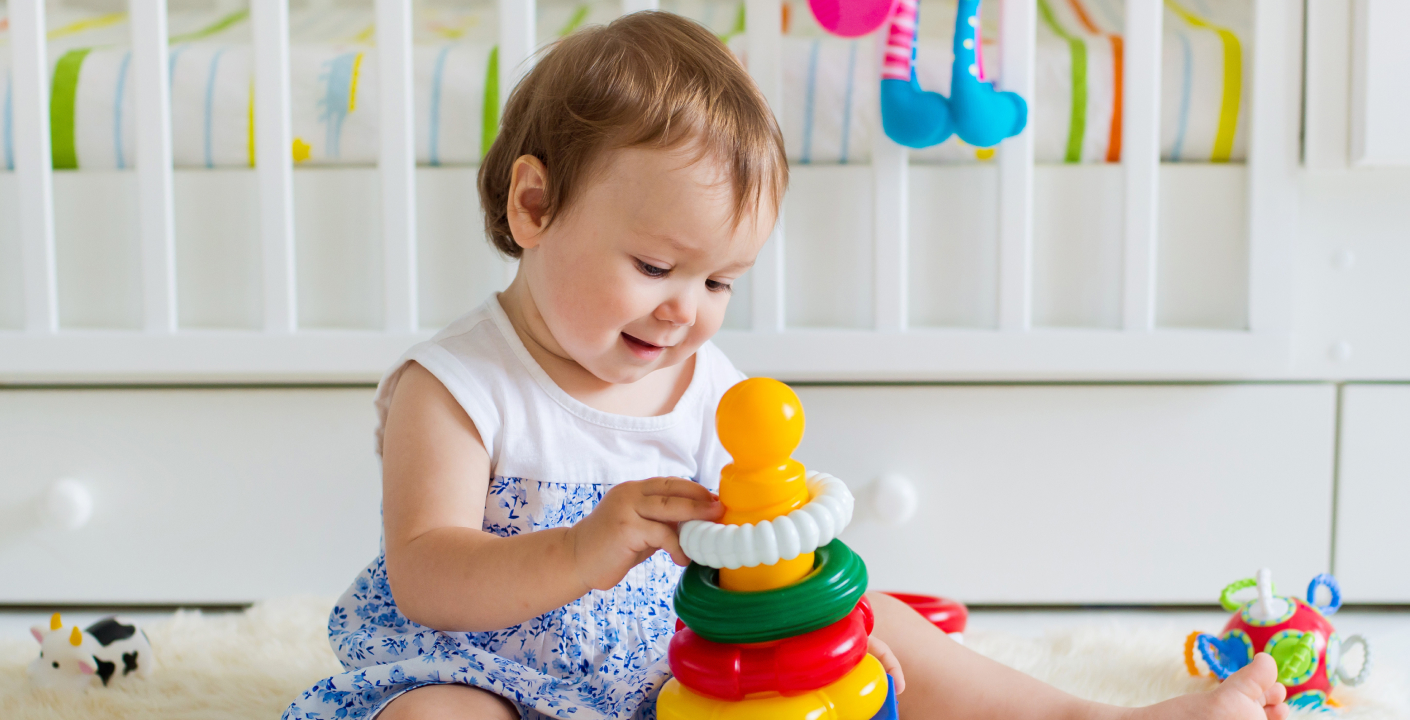

Sensory development is one of the most important aspects of early childhood learning, and wooden toys play a significant role in this process. Children rely on their senses—touch, sight, sound, and sometimes even smell—to understand the world around them. Wooden toys offer rich sensory experiences because of their natural textures, weight, and warmth. Unlike plastic toys that feel smooth and artificial, wooden toys provide a grounded and calming connection to nature.
The textures of wood help stimulate a child’s sense of touch. Children feel the grain, edges, and shapes of each toy, encouraging them to explore through their fingertips. This sensory feedback enhances neural connections in the brain and supports fine motor development. Wooden toys like stacking rings, wooden blocks, and bead mazes are excellent tools for tactile learning.
Wooden toys offer rich sensory experiences through natural textures and weight.Gentle sounds and simple visuals support calm, focused play.Sensory learning with wood strengthens brain pathways and motor skills.
Wooden toys also support visual and auditory sensory growth. Their natural colors and simple designs allow children to focus better without being overstimulated. Some wooden toys create gentle sounds, such as wooden rattles or xylophones, which offer soothing auditory stimulation instead of harsh electronic noises. This balanced sensory environment helps children develop stronger attention spans and emotional calmness.
Parents who wish to support their children’s sensory development will find wooden toys to be an ideal choice. These toys encourage slow, mindful exploration and help children become aware of different textures, patterns, and weights. The sensory experiences provided by wooden toys lay a strong foundation for future learning, creativity, and emotional regulation.

